What Makes the Wirehaired Vizsla Different from a Smooth‑Coated Vizsla?
When you hear Wirehaired Vizsla and Smooth‑Coated Vizsla, they might sound like just two variations of the same breed, but at Pivot Kennels, we know they’re more than that. While they share a common ancestry, these two types of Vizslas have evolved to serve slightly different roles and match different kinds of families and lifestyles. In this post, we’ll dive into what truly sets them apart, from coat and temperament to history, care, and suitability.
A Brief History: Different Roots, Shared Heritage
The Wirehaired Vizsla is actually a separate breed from the smooth-coated, or “short-haired,” Vizsla. In the 1930s, Hungarian breeders crossed the smooth Vizsla with wirehaired breeds like the German Wirehaired Pointer (and possibly others) to create a hardier dog, one that could hunt in rough terrain and colder climates and still maintain the shimmer of the classic Vizsla color. The result? A breed that keeps the spirit and athleticism of the Vizsla but adds resilience through its wiry coat and more robust build.
This origin story is more than trivia; it reflects how form followed function. For us at Pivot Kennels, knowing this history is critical, because we breed with respect for both their hunting heritage and their role as family companions.
Coat & Physical Differences: More Than Just Fur
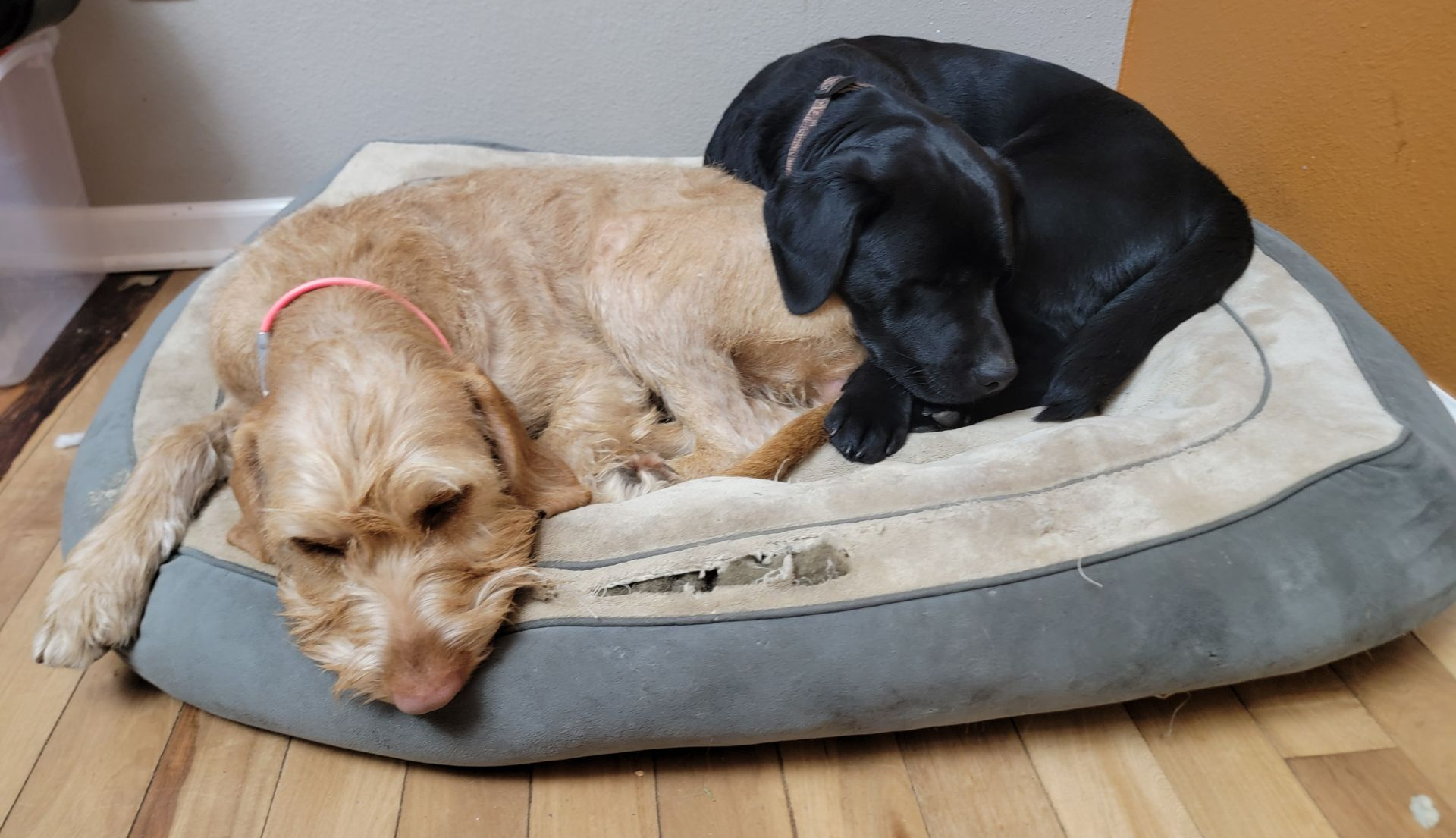
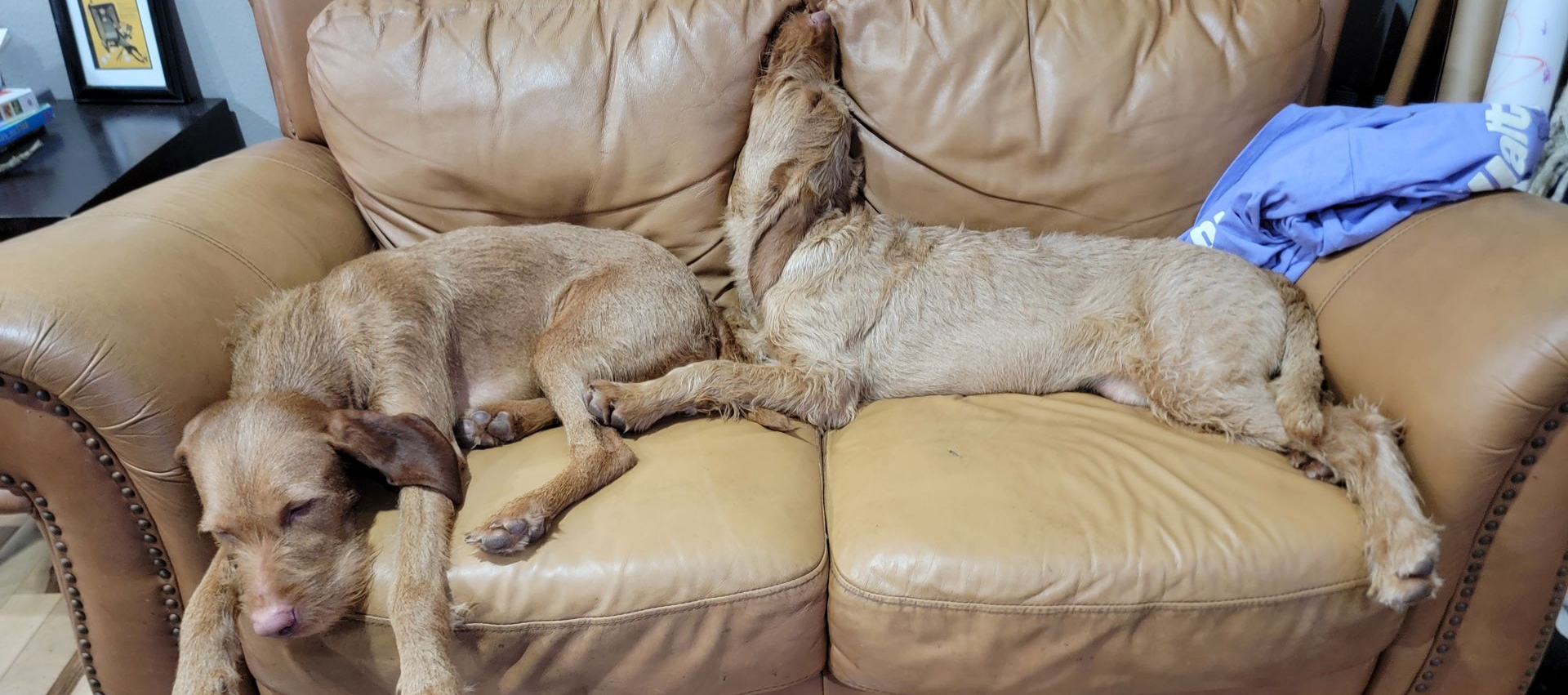
Perhaps the most obvious distinction between the two breeds is their coat. The Wirehaired Vizsla has a dense, wiry outer coat, usually about 1 inch (2–4 cm) long depending on the standard, plus a weather-resistant undercoat. ckc.ca This outer coat gives them protection against thorns, underbrush, and cold conditions. They also feature pronounced beards and bushy eyebrows, which are signature to the breed’s rugged look.
In contrast, the Smooth‑Coated Vizsla (often just called “Vizsla”) sports a short, sleek, and close-lying coat that lies tightly against the body. This smooth coat gives them an elegant, streamlined appearance, but it doesn’t offer the same level of environmental protection. While both breeds often feature the classic golden-russet coloration, the Wirehaired Vizsla’s textured coat may appear in deeper or more variable shades.
Physically, wirehaired vizslas tend to be a bit more robust. According to some breed standards, they may appear more solid or heavier-boned than their smooth cousins. dogsqueensland.org.au Their build supports their working heritage, designed to withstand tougher terrain and more rugged conditions.
Temperament: How Personality Aligns and Diverges
At the heart of both the wirehaired and smooth-coated Vizslas is a loyal, energetic, and affectionate temperament. According to sources, Wirehaired Vizslas are "high energy, gentle-mannered, loyal, caring, and affectionate," much like their smooth-coated relatives. But there are some subtle differences.
Many owners and breeders report that Wirehaired Vizslas are slightly more laid-back, perhaps a little more independent than the ultra-“velcro” smooth Vizsla. They’re still deeply bonded to their families, but their thicker coat and working dog roots often give them a little more resilience in the face of outdoor challenges.
On the other hand, Smooth Vizslas might lean more toward being emotionally sensitive. Some people say they mirror their owner’s moods more closely and may seem more outwardly affectionate or needy for companionship. Nevertheless, these are general patterns; each dog is an individual, and much depends on how they’re raised, socialized, and trained.
Trainability & Working Ability
One of the greatest strengths of both Wirehaired and Smooth Vizslas is their intelligence and trainability. They were bred to hunt, point, retrieve, and perform, which means they respond very well to positive reinforcement, consistent training, and mental stimulation.
Wirehaired Vizslas often shine in environments that challenge them physically and mentally. Their thicker coat and robust frame give them extra durability in fieldwork, and many excel in pointing, tracking, and retrieving. Because of their versatile background, they’re natural working dogs.
Smooth Vizslas, meanwhile, can be extremely in tune with their handlers, making them excellent in obedience, agility, and even therapy or companion work. Their sensitivity means that training with kindness and rewards, not harsh corrections, is much more effective. At Pivot Kennels, we prioritize balanced training, nurturing that natural drive while grounding it in calm, consistent structure.
Exercise & Activity Needs: Both Are High, But Slightly Different
Because both breeds originate from hunting stock, they share a high energy level and need daily activity. Wirehaired Vizslas, with their more rugged build, are well-suited for outdoor adventures: hiking, running, or retrieving in uneven terrain. Because of their build, they often enjoy more demanding outdoor tasks and may tolerate rougher play.
Smooth Vizslas, while equally energetic, may be a better fit for owners who provide more structured daily exercise (runs, fetch, agility, or long walks) but perhaps less rugged terrain. The key for both? Regular exercise, mental enrichment, and strong human connection. Without this, either breed can become bored, anxious, or destructive, something we at Pivot Kennels emphasize during our breeder conversations and adoption screening.
Grooming & Maintenance: Different Levels of Commitment
Because of the Wirehaired Vizsla’s dense and wiry coat, grooming needs are more intensive. Their coat benefits from weekly brushing, removing dead hair, and keeping the beard and eyebrows clean. Some owners even hand-strip their Wirehaired Vizsla’s coat (using a stripping knife) to maintain the wiry texture and encourage healthy growth. Hand-stripping helps the coat stay functional and natural, as opposed to clipping, which may compromise the wiriness.
Smooth Vizslas, by contrast, require much less grooming. Their short coat doesn’t tangle or trap debris, so a simple weekly brush and occasional bath are often enough. Because of this difference, prospective owners should consider how much time and effort they’re willing to dedicate to grooming.
Health & Lifespan: What to Watch For
When comparing the two breeds, health is another area where there’s overlap but also some nuance. The Wirehaired Vizsla’s average lifespan is similar to the smooth Vizsla, typically falling in the 12–14 year range. That said, because of their distinct breeding, there can be breed‑specific concerns.
Some Wirehaired Vizslas may carry risks for hip and elbow dysplasia, as well as eye conditions. rocadog.com Ear infections are also something to monitor, given their thick facial hair and exposure to outdoor environments. Because of the wiry coat, small injuries or irritants may hide, so regular checks are important.
Smooth Vizslas may share some of these risks, but breeders also frequently consider conditions like lymphomas or other cancers in the breed. At Pivot Kennels, responsible breeding means genetic screening, health checks, and long-term support, because for us, producing healthy, well-rounded Wirehaired Vizslas is a top priority.
Suitability: Which Breed Is Right for You?
Choosing between a Wirehaired Vizsla and a Smooth‑Coated Vizsla comes down to lifestyle, commitment, and personal preference. Here are some questions to ask yourself:
- Do you enjoy rugged outdoor activities like tracking, hiking, and fieldwork? A Wirehaired Vizsla may thrive in this environment.
- How much time can you dedicate to grooming? If you want a lower-maintenance coat, a smooth Vizsla might suit you better.
- What kind of training approach do you prefer? Both breeds respond well to positive training, but smooth Vizslas may need more emotional sensitivity, while wires benefit from structure and challenge.
- How active is your household? Do you have room for a high‑energy dog? Do you have children, other pets, or potential separation periods?
At Pivot Kennels, we work with prospective families to help them choose the right type of Vizsla for their home. Whether it’s a calm couch companion or an energetic field partner, we’re here to guide you.
The Importance of Choosing the Right Breed for You
Understanding these differences isn’t just a matter of trivia; it’s important for long-term happiness, both for you and your dog. Picking a breed that aligns with your lifestyle means fewer behavioral problems, better bonding, and a more fulfilling relationship. For instance, a Wirehaired Vizsla picked for its “ruggedness” but left in a small apartment with minimal exercise may develop frustration or destructive behaviors. Conversely, a smooth Vizsla in a high-demand working environment might feel underutilized.
Moreover, choosing a responsible breeder matters. At Pivot Kennels, we emphasize not just breed traits but also health, temperament, and fit. When you adopt or purchase a puppy from us, you’re not just getting a dog; you’re joining a community that cares deeply about the Wirehaired Vizsla’s future.
If you have any questions about choosing between a Wirehaired Vizsla or a Smooth Vizsla, or if you’re ready to begin your journey with Pivot Kennels, reach out to us today. We’d love to help!