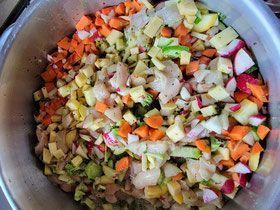
One of the main takeaways from this book was that any improvement you make to your dogs health can greatly increase their lifespan and overall health. Our dogs, while still eating kibble, also get a gently cooked soup consisting of 50% protein/fat and 50% fresh fruits and vegetables. To ensure that all nutritional needs are met, we also add vitamins, herbs (like turmeric), probiotics, and other nutritional supplements to our soup mix. This "dog soup" replaces about 30% of their regular kibble every day during mealtime—for example, Quill eats 1 ½ cups per meal so about half a cup is soup while one cup is kibble.
Our Dogs Diet
February 10, 2023
What We Learned About Improving Our Dog's Diet
*Disclosure: I only recommend products we have used ourselves, and all opinions expressed here are our own.
This post may contain affiliate links that at no additional cost to you, I may earn a small commission.
Feeding our dogs the right diet is an important part of being responsible pet owners. We have been feeding our dogs Taste of the Wild and Victor and adding a few toppers like carrots or eggs. But when we read the book “The Forever Dog,” we realized that making a few simple changes to their diet could have a big impact on their health. After implementing these changes, we have seen amazing results—our dog Quill no longer engages in coprophagia (poop eating). We have also seen a reduction of grass eating or any extra skin or paw licking in our other dogs! Here’s what we learned about improving our dogs’ diets:
Our journey towards healthier nutrition for our four-legged friends began in earnest with “The Forever Dog,” a book by veterinarian Dr. Karen Shaw Becker and Rodney Habib. This book provides in-depth information on how to extend your dog's life using natural remedies and whole-food nutrition. This book has scientifically based data and advice. Many of its sources are from peer-reviewed scientific studies. Most importantly, it is not funded by one of the big dog food corporations (Mars, Nestle Purina, General Mills, JM Smucker, and Hills Science)! It is reassuring that most of the applicable diet advice is from reliable, non-biased sources! As soon as we read it, we knew that we wanted to try out some of the advice and see if it improved the quality of life for our pups.
Creating a Balanced Diet
The Results and Costs!
We have been amazed at the results this change has had on all of our dog's health! It’s incredible how just this small tweak can make such an impact on our pup’s overall health & wellbeing! When we think of adding in the extras to our dogs diet, we thought it would be big bucks. After putting pen to paper, we figured it was between $1.00 to $1.50 per dog per day of additional costs. This is dependent on time of year: if its summer and our garden is producing well, if we were successful at harvesting a deer, sales at the grocery store, etc.
We now prepare a soup every week for all our furry friends!
Conclusion
As dog owners and breeders, it's essential for us to invest time into learning about proper animal nutrition in order to ensure our dogs and puppies long-term health & wellbeing. We have been incredibly pleased with the results after implementing some of the suggestions from “The Forever Dog" into our kennel's diet. If you're looking for ways to improve your pet's diet without breaking the bank then give this method a try - you won't regret it! Some of our soup recipes (ingredient mixes) can be found below if you'd like to give them a go.
Bon Appétit Fido!
Ingredients and Recipes
Dry Foods: Taste of the Wild Grain Free or Ancient Grains food or Victor Performance
We go through about a bag a food per week and change flavors/types to give variety of kibble.
Below is a list (not comprehensive) of suggested proteins, fruits, and veggies for dog soup.
Proteins:
- Venison
- Beef
- Liver (Organ Meats)
- Turkey, Chicken, Pheasant
- Sardines, Tuna,
- Eggs
- And more
Vegetables:
- Carrots
- Parsnip
- Fennel
- Peas
- Celery, Asparagus (chopped to smaller pieces so the fibers aren’t too long)
- Spinach, Curly Kale, Kale, Arugula, Dandelion, etc. (make sure these are chopped super fine or shredded in a food processor!)
- Endives, radicchio, Escarole
- Cucumber
- Broccoli, Broccoli Sprouts, Cauliflower
- Brussel Sprouts, Red Cabbage (Start these slowly in low amounts to not cause too much gas or diarhea)
- Okra
- Jicama, artichoke
- Bell peppers
- Button Mushrooms, Mushroom Tea
- Green Beans
- Beets
- Kelp, Nori
- Pumpkin, Squash
Fruits:
- Avocado (not the skin or pits!)
- Green Bananas (less sugar)
- Strawberries
- Blueberries, Raspberries, Blackberries, mulberrics, Cranberries
- Pomegranate
- Cantaloupe
- Cherry Tomatoes
- Pineapple
- Kiwi
- Apples
Herbs:
- Cilantro
- Parsley
- Tumeric
- Rosemary
- Cumin
- Cinnamon
- Cloves
- Basil
- Oregano
- Thyme
- Ginger
DO NOT Give Your Dogs: Onions, chives, nutmeg, grapes or raisins, chocolate, macadamia nuts.
We also add various other tidbits for them: sunflower seeds, pumpkin seeds, Brazil nuts, flaxseeds, sesame seeds, quinoa, oats, barley, and hemp heart.
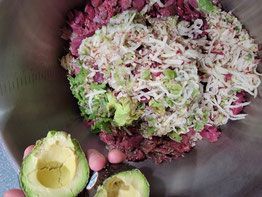
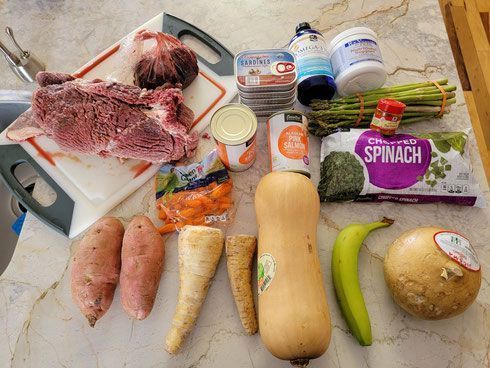
Here Was Our Last Mix of Foods:
- 4 lbs Elk
- 3 lbs Beef
- 1 large Eggplant
- 5 large Carrots
- 4 Cucumbers
- 1 head of Cauliflower
- 3 Avocados
- Fish oil
- 3 tbsp Turmeric
- Probiotic mix
- Vitamin Mix
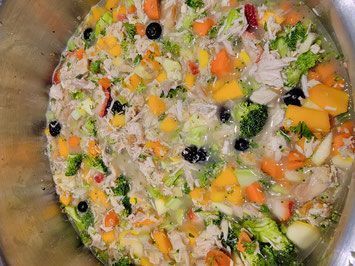
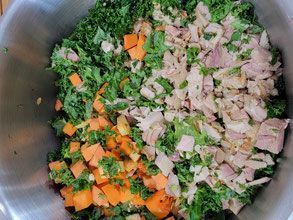
Another Recent Dog Soup Mix:
- 1 whole turkey (15lbs), roasted and shredded (Add juice into soup pot)
- 1 green banana
- 1lb of blueberries (frozen, from our home blueberry bushes)
- 1 bunch of cilantro
- 1 head of broccoli
- 1 whole butternut squash, skinned (add seeds)
- 2 beets
- 4 carrots
- Kale (shredded in food processor)
- Fish oil
- 3 tbls turmeric
- Probiotic mix
- Vitamin Mix
For More Soup Mixes, Check Our Instagram As We Make Them Weekly!

If you are considering bringing a Hungarian Wirehaired Vizsla into your home, you may have wondered whether this breed is hypoallergenic. It is an especially important question for families who love dogs but have allergies or sensitivities to pet dander. The short answer is that Wirehaired Vizslas are not considered a truly hypoallergenic dog breed, even though their wiry coat may lead some people to believe otherwise. Understanding how their coat works, what actually causes dog allergies, and how grooming can help will give you a much clearer idea of what living with one may be like.

If you're considering adopting a Wirehaired Vizsla, you may already be drawn to their distinctive wiry coat, expressive face, and athletic build. But living with a Wirehaired Vizsla is about much more than falling in love with their appearance. These dogs are intelligent, affectionate, energetic, and deeply connected to their families, which can make them wonderful companions for the right household. Before bringing one home, it is worth understanding both the advantages and challenges of the breed so you can decide whether a Wirehaired Vizsla fits your lifestyle. At Pivot Kennels, we believe the best dog-owner relationships begin with realistic expectations. A Wirehaired Vizsla can be an incredible family dog, hunting partner, hiking companion, and everyday shadow, but they also require time, exercise, training, and interaction. They are not a breed that typically thrives when left alone with nothing to do for most of the day. Understanding what life with one is really like can help you prepare for the rewarding parts while avoiding surprises.

The Wirehaired Vizsla is more than just a beautiful sporting dog. It is a breed with a fascinating history rooted in tradition, purpose, and generations of thoughtful breeding. Known for its intelligence, loyalty, and versatility, the Wirehaired Vizsla has earned the respect of hunters, families, and dog enthusiasts around the world. At Pivot Kennels, we believe understanding where this remarkable breed came from helps owners better appreciate its instincts, personality, and unique qualities. Whether you're considering adding a Wirehaired Vizsla to your family or simply want to learn more about the breed, exploring its history reveals why it continues to thrive today.